

Can a DNA Test Be Done Without the Father?
What happens if the alleged father is unavailable for DNA testing? In many cases, alternative DNA testing options such as sibling or grandparent testing may help determine biological relationships.

Quick Answer: Can a Paternity Test Be Done Without the Father?
Yes, in some cases a DNA test can still be performed even if the alleged father is unavailable. Alternative forms of relationship DNA testing, such as sibling, grandparent, or avuncular testing, may help evaluate biological connections by comparing genetic markers between relatives.
Why the Father’s DNA Is Normally Required
A standard paternity test compares DNA directly between the child and the alleged father.
Because a child inherits half of their DNA from each parent, this direct comparison allows laboratories to determine biological fatherhood with extremely high accuracy.
When the alleged father is unavailable for testing, the analysis becomes more complex because the laboratory must rely on indirect genetic comparisons.
Learn more about how paternity testing works here: Paternity DNA Testing Explained.
Alternative DNA Tests When the Father Is Unavailable
Several types of DNA tests can help evaluate biological relationships when the alleged father cannot provide a sample.
Sibling DNA Testing
Sibling DNA testing compares the DNA profiles of two individuals to determine whether they share one or both biological parents.
These tests evaluate how much DNA the individuals share and use statistical calculations to determine whether they are likely full siblings or half siblings.
Learn more about sibling DNA testing here: Sibling DNA Testing Full vs Half Testing.
Grandparent DNA Testing
Grandparent DNA testing compares the DNA of a child with the DNA of one or both alleged grandparents.
Because grandparents share DNA with their grandchildren, this type of testing can sometimes help determine whether the child is related to a particular family line.
Grandparent testing is often used when the alleged father is unavailable but his parents are available for testing.
Avuncular DNA Testing (Aunt or Uncle)
Avuncular testing compares DNA between a child and an alleged aunt or uncle.
Because siblings share genetic markers with one another, comparing the DNA of the child with the alleged father’s sibling can sometimes help determine whether a biological relationship exists.
This type of testing is another indirect method used when the alleged father cannot be tested.
Forensic Paternity Testing Using Non-Standard Samples
In some situations, DNA testing may be performed using non-standard samples that contain biological material from the alleged father.
These items may include:
toothbrushes
razors
clothing
cigarette butts
fingernail clippings
If these items contain saliva or skin cells, laboratories may be able to extract DNA for analysis.
However, because these items are not collected under controlled conditions, tests performed using non-standard samples cannot be used for legal purposes.
Learn more about non-standard DNA samples here: What items can be used for DNA testing.
You can also learn more about how DNA may be obtained from personal items such as toothbrushes here: Alternate Samples for DNA testing.
Why Alternative Relationship Tests Are More Complex
When the alleged father is tested directly, the laboratory can compare DNA markers between the father and child.
When indirect relatives are tested instead, the laboratory must evaluate shared genetic patterns between family members and use statistical calculations to determine the likelihood of the relationship.
Because of this, indirect relationship tests sometimes produce less definitive results.
Learn more about inconclusive DNA results here: Inconclusive DNA results.
When Additional Family Members Help
The more relatives that participate in the test, the stronger the genetic analysis becomes.
For example:
including the child’s mother can improve analysis
including multiple relatives from the alleged father’s family can strengthen the results
Additional DNA information helps laboratories better interpret the genetic evidence.
Understanding Your Testing Options
Although direct paternity testing provides the most definitive results, alternative DNA testing options can still provide valuable information when the alleged father is unavailable.
By analyzing DNA from relatives or biological material found on personal items, laboratories can sometimes determine whether a biological relationship is likely.
Understanding these options can help families choose the most appropriate testing approach for their situation.

Paternity DNA Testing Explained: How Paternity Tests Work
How does a paternity DNA test work? Learn how DNA is used to determine biological fatherhood, how accurate the results are, and what the testing process looks like.

Quick Answer: What Is a Paternity DNA Test?
A paternity DNA test determines whether a man is the biological father of a child by comparing genetic markers between the alleged father and the child. Because a child inherits half of their DNA from each parent, these tests can determine biological relationships with a very high degree of accuracy.
What Is Paternity DNA Testing?
Paternity DNA testing is used to determine whether a man is the biological father of a child.
DNA testing compares specific genetic markers between individuals to evaluate whether those markers could have been inherited from the alleged father.
Because each child receives half of their DNA from their biological mother and half from their biological father, these comparisons can reveal whether the alleged father could have contributed the paternal genetic markers.
Modern DNA testing analyzes many genetic markers to determine the likelihood of biological fatherhood.
How Paternity DNA Testing Works
DNA testing works by comparing genetic markers between the child and the alleged father.
Each marker is examined to determine whether the child’s genetic pattern could have been inherited from the alleged father.
If the alleged father does not match the required markers, he can be excluded as the biological father.
If the genetic markers match, statistical calculations are used to determine the probability that the tested man is the biological father.
How Accurate Are Paternity DNA Tests?
Modern paternity DNA tests are extremely accurate.
When the alleged father is the biological father, results typically show a probability of paternity of 99% or greater, which is considered scientifically conclusive.
When the alleged father is not the biological father, the test will show a complete exclusion, meaning the tested man cannot be the biological father.
These results are based on the analysis of many genetic markers across the DNA profile.
Understanding Paternity DNA Test Results
Paternity DNA test reports include statistical calculations that measure how strongly the genetic evidence supports biological fatherhood. These calculations compare the genetic markers of the child and the alleged father to determine whether the markers could have been inherited from that individual.
Results typically include values such as the Combined Paternity Index (CPI) and the Probability of Paternity, which help scientists determine whether the tested man is likely to be the biological father.
While most results clearly support either inclusion or exclusion, understanding how these values are calculated can help explain how laboratories interpret DNA evidence.
To learn more about how paternity results are calculated and how to read a DNA report, see: How to read Paternity DNA Test Results.
DNA Sample Collection for Paternity Tests
The most common way to collect DNA samples for paternity testing is through a cheek swab.
A cheek swab collects cells from the inside of the mouth, which contain DNA that can be analyzed in the laboratory.
This method is:
Simple
Non-invasive
Highly reliable
Cheek swabs provide high-quality DNA for analysis.
In some situations where cheek swabs are not available, laboratories may analyze non-standard samples.
Learn more about non-standard DNA samples here: What items can be used for DNA Testing.


Home Paternity Tests vs Legal Paternity Tests
There are two main types of paternity DNA tests.
Home Paternity Tests
Home paternity tests are used for personal knowledge and peace of mind.
Samples are collected privately and sent to the laboratory for analysis.
These tests are not intended for legal proceedings because they do not involve formal chain-of-custody procedures.
Legal Paternity Tests
Legal paternity tests involve a documented chain of custody, meaning that the identity of the individuals providing samples is verified and the collection process is recorded.
This ensures the results can be used for legal purposes such as:
Court proceedings
Child support cases
Immigration documentation
Birth certificate changes
Do note while Home and Legal Paternity Test are the most common, sometimes there is a third type of test.
Forensic Paternity Testing
In some situations, a direct cheek swab sample from an individual may not be available. In these cases, laboratories may attempt Forensic Paternity Testing using non-standard DNA samples.
Non-standard samples are personal items that may contain biological material such as saliva or skin cells. Examples may include:
Toothbrushes
Razors
Clothing
Cigarette butts
Fingernail clippings
Other personal items that may contain biological material
These samples can sometimes provide DNA that may be used for comparison testing.
Because these items were not collected under controlled conditions, they are considered forensic or non-standard samples.
As a result, tests performed using these items cannot be used for legal purposes, since there is no documented chain of custody confirming who provided the sample.
However, forensic paternity testing can still provide valuable scientific information for individuals seeking answers about possible biological relationships.
To learn more about how forensic paternity testing works, see: Forensic Paternity Testing.
How Long Paternity DNA Test Results Take
Turnaround time for DNA testing depends on the type of test performed.
Relationship DNA tests typically take 2–3 business days once the laboratory receives the samples.
Forensic or non-standard sample testing may take longer due to the additional analysis required.
When Paternity Testing Is Used
Paternity testing may be used in many different situations.
Common reasons include:
Confirming biological fatherhood
Resolving family questions
Legal matters involving parental rights
Child support cases
Immigration documentation
DNA testing provides a reliable scientific method for answering these questions.
What If the Alleged Father Is Not Available?
If the alleged father cannot provide a DNA sample, other forms of relationship DNA testing may help evaluate biological connections.
Examples include:
Sibling DNA testing
Grandparent DNA testing
Avuncular DNA testing (testing aunts or uncles)
These tests compare genetic markers between relatives to determine whether a biological relationship is likely.
Learn more about relationship DNA testing here: Relationship DNA Testing Explained.



Understanding Your DNA Test Results
DNA test results include statistical calculations that measure how strongly the genetic evidence supports biological fatherhood.
Results typically fall into two categories:
Inclusion
The tested man is likely the biological father.
Exclusion
The tested man cannot be the biological father.
In rare situations involving more complex relationship tests, results may be inconclusive.
Learn more about inconclusive DNA results here: What does an inconclusive test result mean?.
Using DNA Testing to Find Answers
Paternity DNA testing provides a scientifically reliable method for determining biological fatherhood. By comparing genetic markers between individuals, laboratories can determine whether a man is the biological father of a child with a very high degree of accuracy.
Understanding how these tests work helps individuals make informed decisions when seeking answers about family relationships.

Bodily Fluid Detection Testing Explained: How Biological Evidence Is Identified
Biological evidence can sometimes remain on clothing, bedding, or other personal items. Bodily fluid detection testing can help identify substances such as semen, saliva, blood, and urine. Learn how these tests work and when they may be used.

Quick Answer: What Is Bodily Fluid Detection Testing?
Bodily fluid detection testing identifies biological substances such as semen, saliva, blood, or urine on personal items. These tests detect specific biological markers that help laboratories determine whether a particular bodily fluid may be present on an item.
What Is Bodily Fluid Detection Testing?
Bodily fluid detection testing is used to determine whether biological fluids may be present on an item such as clothing, bedding, or other personal materials.
These tests are commonly used when investigating biological evidence associated with physical contact or intimate activity.
Laboratories analyze items for markers that indicate the possible presence of specific biological fluids.
Common fluids tested include:
Semen
Saliva
Blood
Urine
Identifying these substances can provide important information about how biological evidence may have been deposited on an item.
Types of Bodily Fluid Detection Tests
Different biological fluids contain unique proteins and chemical markers that laboratories can analyze.
Each fluid type requires specialized testing methods.



Semen Detection Testing
Semen detection testing identifies biological markers associated with seminal fluid.
The semen detection test offered by Validity Genetics is a confirmatory RSID semen detection test that identifies the human-specific protein semenogelin.
Because semenogelin is specific to seminal fluid, detecting this protein provides strong scientific confirmation that seminal fluid may be present on the tested item.
Learn more about semen detection testing here: How Semen Detection Test Work.
Saliva Detection Testing
Saliva detection tests analyze samples for biological markers associated with human saliva.
Saliva may sometimes be found on items such as:
Clothing
Skin-contact surfaces
Personal fabrics
Objects that have been bitten or licked
These tests look for biological substances commonly found in saliva that can help determine whether saliva may be present on the tested item.
Blood Detection Testing
Blood detection testing identifies markers associated with blood.
Blood may sometimes be present on:
Clothing
Fabrics
Bedding
Personal items
Laboratories analyze biological markers associated with blood to determine whether blood may be present on an item.
Urine Detection Testing
Urine detection testing analyzes samples for compounds associated with urine.
Urine may sometimes be detected on:
Clothing
Bedding
Personal fabrics
These tests analyze biological markers associated with urine to determine whether urine may be present on the tested material.
Presumptive vs Confirmatory Testing
Bodily fluid detection testing may involve two types of testing methods.
Presumptive Tests
Presumptive tests are screening tests that suggest the possible presence of a biological fluid.
These tests are often used as an initial step to identify areas of interest on an item.
Examples include:
Acid phosphatase screening tests
PSA screening tests
These tests may indicate that a fluid could be present, but they are not always specific to one biological substance.
Confirmatory Tests
Confirmatory tests are designed to identify biological markers that are specific to a particular fluid.
These tests provide stronger scientific evidence because they detect proteins or markers unique to the biological fluid being tested.
For example, RSID semen detection tests identify semenogelin, a protein specific to human seminal fluid.
Confirmatory testing provides greater confidence when determining whether a specific biological fluid is present.
Items Commonly Submitted for Bodily Fluid Testing
Many different types of personal items may contain biological evidence.
Common examples include:
Underwear
Bedsheets
Towels
Clothing
Blankets
Personal fabrics
These materials can retain biological substances depending on how they were used and stored.
Learn more about items that may be tested here: What Samples Can Be Used For DNA Testing.
How Bodily Fluid Detection Relates to DNA Testing
Bodily fluid detection testing may sometimes be performed alongside DNA testing.
If biological fluid is detected on an item, laboratories may attempt to extract DNA from the material present.
If sufficient DNA is recovered, a DNA profile may be generated and compared to reference samples.
Learn more about how DNA evidence is interpreted here: Using DNA To Prove Cheating.
How Long Biological Evidence May Remain
Biological fluids may remain detectable on fabrics depending on environmental conditions.
Factors that influence detectability include:
Washing
Fabric type
Time
Environmental exposure
Learn more about this topic here: How Long Does DNA Stay on Clothing?
Using Biological Evidence to Understand What Happened
Bodily fluid detection testing provides scientific tools for identifying biological substances on personal items. By detecting markers associated with semen, saliva, blood, or urine, laboratories can help determine whether biological fluids may be present on a tested item.
Understanding how these tests work helps individuals better interpret laboratory findings and determine whether additional DNA testing may be appropriate.

Infidelity DNA Testing Explained: How DNA Evidence Can Be Analyzed
Can DNA testing reveal biological evidence of intimate contact? Infidelity DNA testing analyzes clothing, bedding, and personal items for DNA and bodily fluids. Learn how these tests work and what they can reveal.

Quick Answer: What Is Infidelity DNA Testing?
Infidelity DNA testing analyzes clothing, bedding, and personal items to determine whether biological material such as DNA or bodily fluids may be present. These tests can detect biological evidence and may compare DNA profiles to reference samples to determine whether an individual may be a contributor.
What Is Infidelity DNA Testing?
Infidelity DNA testing involves the analysis of personal items for biological evidence that may indicate intimate contact.
Rather than testing a person directly, these tests examine items such as clothing or bedding to determine whether biological material may be present.
Laboratories may look for:
DNA from skin cells
Bodily fluids such as semen or saliva
Biological material deposited during physical contact
If biological evidence is detected, laboratories may attempt to generate DNA profiles that can be compared to reference samples.
Types of Infidelity DNA Tests
Several different types of testing may be used depending on the type of evidence being investigated.
DNA Detection on Personal Items
Many infidelity tests analyze items for the presence of DNA.
Common items submitted for testing include:
Underwear
Bedsheets
Towels
Clothing
Condoms
If DNA is present on the item, laboratories may attempt to generate a DNA profile and determine whether the DNA belongs to one individual or multiple contributors.
Learn more about how DNA evidence may appear on items here: How Long Does DNA Stay On Clothing.
Bodily Fluid Detection Testing
In some situations, laboratories may perform tests designed to detect biological fluids.
These tests may identify substances such as:
Semen
Saliva
Blood
Urine
Detecting these substances can provide additional information about how biological evidence may have been deposited on an item.
Learn more about bodily fluid detection testing here: How Semen Detection Tests Work.
Confirmatory Semen Detection Testing
Some laboratories perform confirmatory semen detection testing to determine whether seminal fluid may be present on an item.
The semen detection test offered by Validity Genetics is a confirmatory RSID semen detection test that identifies the human-specific protein semenogelin.
Because semenogelin is specific to human seminal fluid, detecting this protein provides strong scientific evidence that seminal fluid may be present on the tested item.
Learn more about how these tests work here: How Semen Detection Tests Work.
Presumptive vs Confirmatory Tests
Some laboratories may use presumptive screening tests before performing confirmatory analysis.
Examples of presumptive semen tests include:
PSA (Prostate-Specific Antigen) testing
Acid Phosphatase (AP) testing
These screening tests may suggest that semen could be present, but they are not always specific to seminal fluid.
Confirmatory tests such as RSID semen detection testing identify proteins specific to semen and provide stronger scientific confirmation.
Mixed DNA Profiles
It is common for personal items to contain DNA from more than one individual.
For example, clothing or bedding may contain biological material from multiple contributors due to normal handling or contact.
Laboratories analyze these mixed DNA samples to determine how many individuals may have contributed biological material.
Learn more about mixed DNA results here: Multiple DNA Profiles Found.
Can DNA Evidence Reveal Intimate Contact?
DNA and bodily fluid testing can reveal the presence of biological evidence on an item. In some situations, this evidence may suggest that intimate contact occurred.
However, interpreting the context of biological evidence requires careful consideration of the circumstances surrounding the item and how it may have been handled.
Learn more about how DNA evidence may be interpreted here: Can DNA Prove Cheating.

Items Commonly Submitted for Infidelity Testing
Many different types of personal items may contain biological evidence.
Common examples include:
Underwear
Bedsheets
Towels
Clothing
Tissues
Personal fabrics
Because fabrics can retain biological material, laboratories may be able to analyze these items for DNA or bodily fluids.
How Long Biological Evidence Can Remain on Fabrics
Biological evidence may remain detectable on fabrics depending on environmental conditions and how the item was handled.
Factors that influence detectability include:
Washing
Fabric type
Environmental exposure
Time since deposition
Learn more about this topic here: Can Semen be Detected After Washing?.
Sample Types Used in Infidelity DNA Testing
The most common samples submitted for infidelity DNA testing are non-standard samples, which are personal items that may contain biological material.
Examples include:
Clothing
Bedding
Personal fabrics
Items containing biological stains
Learn more about non-standard DNA samples here: NSS Sample That Can be Used In DNA Testing.
Using DNA Evidence to Find Answers
Infidelity DNA testing provides scientific methods for detecting biological evidence on personal items. By analyzing DNA and bodily fluids, laboratories may identify biological material that could help individuals better understand what may have occurred.
Understanding how these tests work helps individuals interpret laboratory results and make informed decisions about testing options.

What Does an Inconclusive DNA Test Result Mean?
What does an inconclusive DNA test mean? Learn why DNA results may be inconclusive and how likelihood ratios and probability percentages help interpret DNA test results.

Quick Answer: What Does an Inconclusive DNA Test Result Mean?
An inconclusive DNA test result means that the available genetic evidence does not strongly support one possible relationship over another. This can occur when shared DNA markers fall within overlapping ranges between potential relationships or when insufficient DNA is available for analysis.
Why DNA Test Results Sometimes Come Back Inconclusive
An inconclusive DNA test usually means that the shared genetic markers between the individuals tested fall within a statistical range that cannot confidently confirm or exclude a biological relationship. This occurs most often in complex relationship tests such as sibling, avuncular, or grandparent testing where genetic sharing can overlap between different possible relationships.
What Is an Inconclusive DNA Result?
DNA testing works by comparing genetic markers between individuals to determine the likelihood of a biological relationship.
In some cases, the genetic evidence clearly supports a relationship, such as a parent-child connection. In other situations, the data may fall within a range where the results cannot strongly support one conclusion over another.
When this occurs, the result may be reported as inconclusive.
This means that the laboratory could not determine a clear statistical outcome based on the available genetic data.
Why DNA Test Results Can Be Inconclusive
Several factors may contribute to inconclusive results.
Overlapping Genetic Similarities
Certain biological relationships share similar levels of DNA.
For example, relationships such as:
Half siblings
Full siblings
Uncle and niece or nephew
may sometimes share overlapping genetic patterns. This overlap can make it more difficult for statistical analysis to distinguish between possible relationships.
Learn more about sibling relationship testing here: Sibling DNA Testing.
Limited DNA Available
In some cases, insufficient DNA may be recovered from the submitted sample.
This can occur when:
The sample contains very small amounts of biological material
DNA has degraded due to environmental exposure
The item tested is a non-standard sample
Learn more about non-standard samples here: What Items can be used for DNA testing.
Complex Family Relationships
Some family structures may make interpretation more difficult.
For example:
Close relatives within the same family line
Multiple possible biological relationships
Missing parental participants
Additional relatives may sometimes improve the statistical clarity of the results.
How DNA Test Results Are Interpreted
DNA testing laboratories use statistical tools to evaluate how likely a biological relationship is based on the genetic markers shared between individuals.
Two common statistical values used in DNA relationship testing are the Likelihood Ratio and the Probability Percentage.
Likelihood Ratio
The Likelihood Ratio compares the genetic profiles of the tested individuals to determine how likely it is that they are biologically related.
Less than 1.00
Suggests the individuals are not related.
Greater than 1.00
Suggests the individuals may be related, with higher values indicating a greater likelihood of a biological connection.
For example, if the Likelihood Ratio is 3.84, this suggests the individuals tested may indeed be related, but the result is not definitive.
The likelihood ratio is one of the statistical tools laboratories use when evaluating possible biological relationships.
Probability Percentage
The Probability Percentage measures how likely it is that the tested individuals are biologically related based on shared genetic markers.
These interpretations are consistent with guidelines from the AABB (American Association of Blood Banks).
Typical interpretation ranges include:
99% or greater
Considered scientifically conclusive for a biological relationship.
Greater than 90.9%
Considered conclusive based on AABB standards.
10% – 90.8%
This range is considered inconclusive, meaning the data may lean toward a relationship but not strongly enough to confirm it.
For example, a Probability Percentage of 79% suggests there may be a relationship between the tested individuals, but the result is not conclusive.
When Inconclusive Results Are More Likely
Inconclusive results are more common in relationship DNA testing compared to direct parent-child tests.
Examples include:
Sibling DNA tests
Avuncular DNA tests
Grandparent DNA tests
Because these tests evaluate shared genetic markers indirectly, the results rely heavily on statistical analysis.
Can Inconclusive Results Be Clarified?
In some situations, additional testing may help clarify the relationship.
Possible options may include:
Adding additional family members to the test - usually a know parent, in most cases a mother of a participant.
Testing additional relatives
Submitting higher quality DNA samples
Additional genetic information can sometimes strengthen the statistical analysis and provide clearer results.
Frequently Asked Questions
Does an inconclusive result mean the individuals are not related?
No. An inconclusive result simply means the available DNA evidence could not strongly support one possible relationship over another.
Can an inconclusive DNA test be repeated?
Yes. Additional testing may sometimes provide clearer results, especially if additional participants are included.
Are inconclusive results common?
They are relatively uncommon in parent-child tests but may occur more frequently in complex relationship testing scenarios.
Can non-standard samples cause inconclusive results?
In some cases, yes. If limited or degraded DNA is recovered from an item, it may affect the clarity of the analysis.
Understanding Inconclusive DNA Results
DNA testing provides powerful scientific tools for evaluating biological relationships. Even when results are inconclusive, the analysis helps narrow the range of possible relationships and provides valuable genetic insight.
Understanding how statistical tools like the Likelihood Ratio and Probability Percentage are used can help individuals better interpret their DNA test results and determine whether additional testing may provide clearer answers.

Half Siblings vs Full Siblings: How DNA Tests Tell the Difference
Are two people half siblings or full siblings? DNA testing can help answer that question by analyzing shared genetic markers. Learn how sibling DNA tests work and what the results can reveal.

Quick Answer: Can DNA Testing Tell the Difference Between Half and Full Siblings?
Yes, DNA testing can help determine whether two individuals are more likely to be half siblings or full siblings. Sibling DNA tests analyze shared genetic markers to calculate the statistical likelihood of a biological relationship. By comparing how much DNA two people share, laboratories can determine whether they are more likely to share one parent or both parents.
What Is a Sibling DNA Test?
A sibling DNA test is used to determine whether two individuals share one or both biological parents.
There are two types of sibling relationships that DNA testing can evaluate.
Full siblings
Two individuals who share both biological parents.
Half siblings
Two individuals who share only one biological parent.
Sibling DNA testing analyzes specific genetic markers to measure how much DNA two individuals share and calculates the likelihood of the relationship.
When a parent is not available for testing, relationship DNA testing methods such as sibling testing, avuncular testing, or grandparent testing may help evaluate biological connections.
Learn more about these types of tests here: Relationship DNA Testing Explained.
Home Sibling DNA testing kit includes:
Easy to follow instructions,
2 sterile buccal collection swabs per person,
Sample envelopes for each person involved,
Consent form (must be filled out and signed in full),
Prepaid return label to our laboratory. (USA only)
Please note we always suggest including a known parent in testing
Select testing options below:

Forensic Sibling DNA Test (Informational/Home Version) includes:
Easy to follow instructions on how to collect and care for the special samples
Instructions on where to send the Special Samples
2 sterile buccal collection swabs per person (if selected)
Consent form
*Please note Special Samples do not include: Teeth, Bones, Bone Marrow, Organs or Muscle Tissue, Feces, Paraffin Embedded Tissue, or FFPE. *
To test these items or additional questions please contact us.
Please be aware that due to the nature of forensic testing a conclusive result is not guaranteed.
Select from the options below:
How Sibling DNA Testing Works
Sibling DNA testing typically uses autosomal DNA markers, which are inherited from both parents.
Each person inherits:
Half of their DNA from their biological mother
Half of their DNA from their biological father
By comparing these markers between two individuals, laboratories can determine how much genetic material they share.
In general:
Full siblings share more DNA
Half siblings share less DNA
The laboratory uses statistical analysis to determine which relationship is more likely.
The Role of the Siblingship Index
DNA test results for siblings often include a statistical value called the Siblingship Index.
This value represents the likelihood that two individuals are siblings compared to the likelihood that they are unrelated.
For example:
A higher value suggests a stronger probability of a sibling relationship
A lower value suggests the individuals may not be closely related
These calculations help scientists interpret the DNA evidence and determine the most likely biological relationship.
Example Results
Sibling DNA test reports may present results that either support or do not support a full sibling relationship.
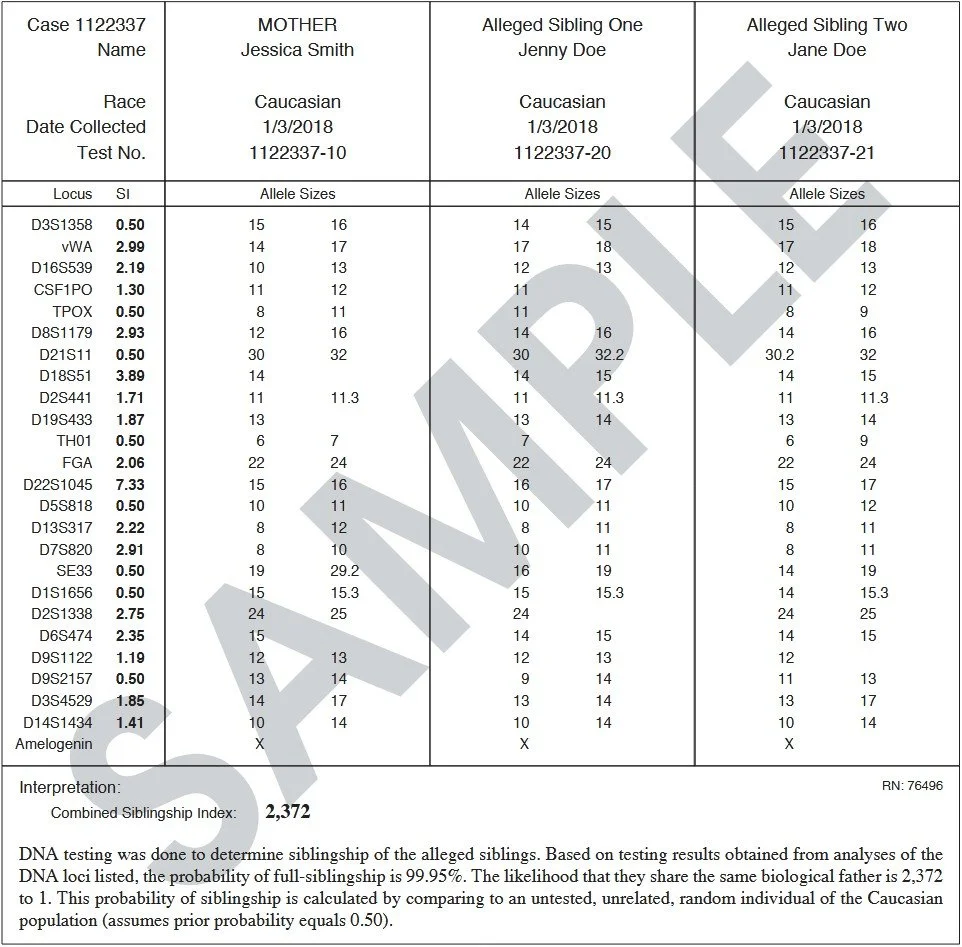
Example: Full Sibling Relationship Supported
In this scenario, the shared genetic markers between the two individuals strongly support that they share both biological parents. The statistical analysis indicates a high likelihood that the individuals are full siblings.
Example: Full Sibling Relationship Not Supported
In some cases, the shared genetic markers do not support a full sibling relationship. The analysis may instead indicate that the individuals are more likely to be half siblings or that another biological relationship may exist.
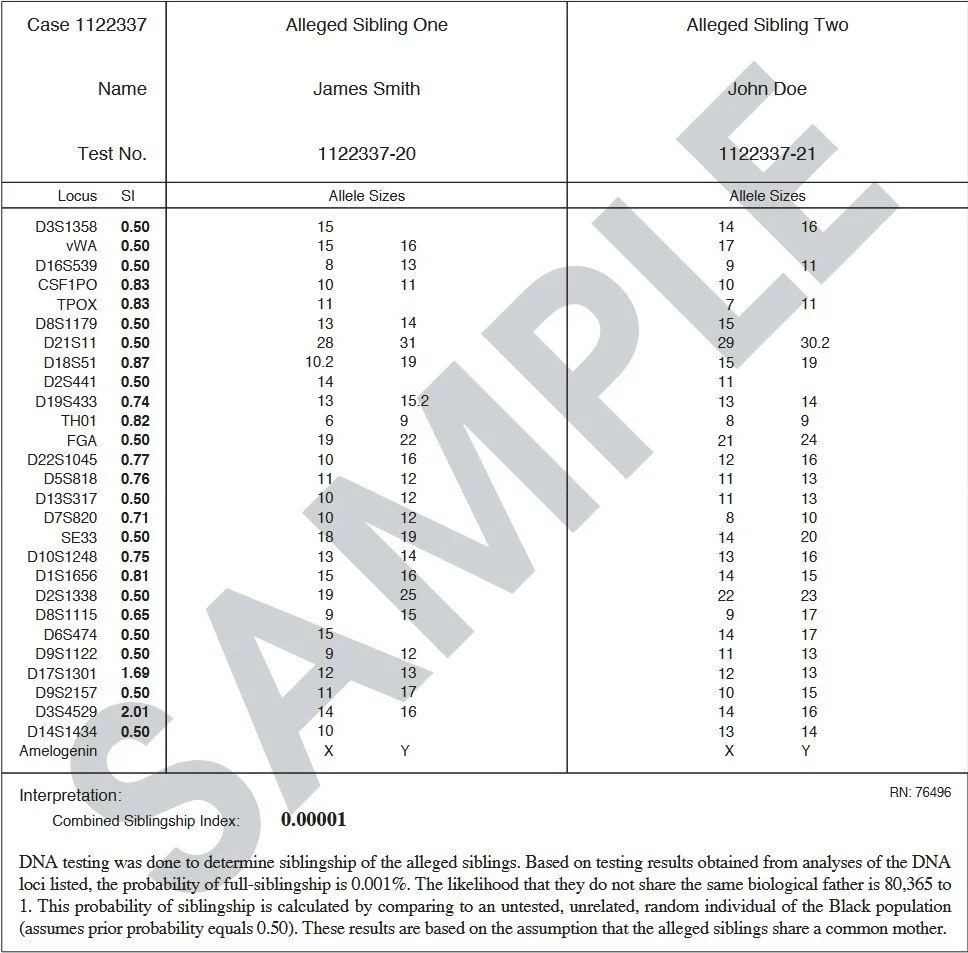
These examples help illustrate how laboratories interpret genetic evidence when evaluating sibling relationships.
Why Additional Participants Can Improve Accuracy
Sibling testing sometimes benefits from including additional family members in the analysis.
For example, including the biological mother in the test can help the laboratory isolate the DNA inherited from the father.
This additional information can improve the accuracy of the analysis and strengthen the statistical conclusions.
When Sibling DNA Testing Is Used
Sibling DNA testing is commonly used when a direct parent is not available for testing.
Situations where sibling testing may be helpful include:
Determining whether two individuals share the same father
Confirming biological relationships within families
Investigating family connections when a parent is unavailable
Clarifying family relationships discovered through ancestry testing
Sibling DNA testing provides a scientific method for evaluating these relationships.
In situations where direct cheek swab samples cannot be collected, some testing situations may involve the analysis of personal items that contain biological material.
Learn more about these types of samples here: What Items Can be Used for DNA Testing.
Differences Between Sibling Tests and Paternity Tests
Paternity testing is generally more direct because it compares a child’s DNA to the alleged father.
Sibling testing is more complex because it compares the DNA of two individuals without directly testing a parent.
Because of this, sibling DNA tests rely on statistical analysis of shared markers rather than a direct parent-child comparison.
Limitations of Sibling DNA Testing
Although sibling DNA tests are highly informative, there are some limitations.
For example:
DNA sharing can vary naturally between siblings
Half siblings and full siblings may sometimes share overlapping amounts of DNA
Additional relatives may improve the accuracy of the analysis
Because of these factors, laboratories rely on statistical calculations to interpret the results.
In some situations, sibling DNA test results may be inconclusive if the shared genetic markers fall within overlapping ranges between possible relationships.
Learn more about inconclusive DNA results here: What Do Inconclusive Results Mean.
Frequently Asked Questions
Can DNA testing always tell if two people are siblings?
DNA testing can determine the likelihood of a sibling relationship, but results are based on statistical analysis rather than absolute certainty.
Is including a know parent, usually a mother, recommended?
Yes, we highly recommend including a known parent of either, or both, of the siblings. This helps to lower the chance of an inconclusive result.
Can a sibling DNA test determine which parent is shared?
Not always. The test can determine whether individuals are likely to share one or both parents, but identifying the specific parent may require additional testing.
Is sibling DNA testing accurate?
Yes. Modern DNA testing analyzes many genetic markers to evaluate sibling relationships with a high degree of confidence.
Do both siblings need to provide DNA samples?
Yes. DNA samples from both individuals are required in order to compare genetic markers and evaluate the relationship.
Using DNA Testing to Understand Family Relationships
Sibling DNA testing can provide valuable insight when questions arise about biological relationships within a family. By analyzing shared genetic markers, laboratories can determine whether individuals are more likely to be half siblings or full siblings.
Understanding how these tests work helps families interpret their results and gain clarity about biological relationships.

Can DNA Be Tested From Fingernail Clippings?
Can fingernail clippings be used for DNA testing? In some cases they can. Learn how DNA can remain on or under fingernails, how laboratories analyze these samples, and what factors affect successful testing.

Quick Answer: Can DNA Be Tested From Fingernail Clippings?
Yes, fingernail clippings can sometimes be used for DNA testing. Fingernails may contain biological material such as skin cells or other trace evidence that can contain DNA. Laboratories may attempt to extract DNA from the nail or from material found beneath the nail. The success of testing depends on the quality and amount of biological material present.
Why Fingernails May Contain DNA
Fingernails can accumulate biological material during everyday activities. This material may come from:
Skin cells from the individual
Skin cells from another person
Trace biological material transferred through contact
Environmental debris trapped under the nail
Because fingernails can collect biological material during physical contact, they may sometimes provide usable DNA for analysis.
How Fingernail DNA Testing Works
When fingernail clippings are submitted for testing, laboratories attempt to recover biological material associated with the nail.
The process typically involves:
Examining the nail sample for biological material
Collecting material from the nail surface or underside
Performing DNA extraction
Generating a DNA profile if sufficient DNA is present
If a DNA profile is generated, it may be compared to a reference sample to determine whether a particular individual may be a contributor.
Learn more about how comparison testing works here, DNA Comparison, What it can tell you.
When Fingernail DNA Testing Is Used
Fingernail clippings may be submitted for testing when a direct cheek swab from an individual is not available.
Situations where this type of testing may be considered include:
Relationship DNA testing
Investigating biological evidence after physical contact
Infidelity-related investigations
Situations where personal items must be used instead of direct samples
Because fingernail samples may contain trace biological material from contact with other individuals, they may sometimes provide useful DNA evidence.




Factors That Affect Testing Success
Not all fingernail samples contain enough biological material for successful testing. Several factors influence whether DNA can be recovered.
Amount of Biological Material
Trace DNA may be present in very small quantities, which can make analysis more difficult.
Age of the Sample
Older samples may contain degraded DNA due to environmental exposure.
Environmental Exposure
Heat, moisture, and handling may degrade biological material over time.
Contact with Other Individuals
Fingernails may contain DNA from more than one person if contact occurred with multiple individuals.
You can learn more about how laboratories interpret these results here: Multiple DNA Profiles.
Are Fingernail Samples Considered Non-Standard?
Yes. Fingernail clippings are considered non-standard DNA samples.
Non-standard samples are items that may contain biological material but were not specifically collected for DNA testing. Because of this, testing success cannot always be guaranteed.
Other examples of non-standard samples include:
Toothbrushes
Cigarette butts
Razors
Chewing gum
Clothing
Learn more about non-standard samples here: NSS Samples and DNA Testing.
Frequently Asked Questions
Can fingernail clippings contain another person’s DNA?
Yes. If physical contact occurred with another individual, skin cells or other biological material may become trapped beneath the fingernails.
Can laboratories determine how DNA got under a fingernail?
DNA testing can detect and analyze biological material, but it cannot determine exactly how that DNA was deposited.
Are fingernail DNA samples reliable?
Testing can sometimes be successful, but results depend on the quantity and quality of biological material present on the sample.
Can multiple DNA profiles be detected from fingernails?
Yes. Because fingernails may come into contact with multiple surfaces and individuals, DNA from more than one contributor may be present.
Using DNA Evidence to Find Answers
Fingernail clippings can sometimes provide a source of biological material when direct samples are not available. Because fingernails can accumulate skin cells and other trace evidence through contact, laboratories may attempt to recover DNA from these samples.
Understanding how fingernail DNA testing works helps individuals determine whether this type of sample may be suitable for their situation.

Can DNA Be Tested From a Toothbrush?
Did you know a toothbrush can sometimes be used for DNA testing? Saliva left on the bristles may contain enough DNA for analysis. Learn how toothbrush DNA testing works and what factors influence whether testing is successful.

Quick Answer: Can DNA Be Tested From a Toothbrush?
Yes, a toothbrush can sometimes be used for DNA testing because it may contain saliva and skin cells left behind during brushing. These biological materials can contain DNA that laboratories may attempt to extract and analyze. The success of testing depends on how recently the toothbrush was used and how it has been stored.
Why Toothbrushes Can Contain DNA
Toothbrushes often contain biological material because they come into direct contact with the mouth during daily use.
When someone brushes their teeth, small amounts of biological material may remain on the toothbrush, including:
Saliva
Skin cells from the mouth
Microscopic traces of biological fluids
These materials can contain DNA that laboratories may attempt to analyze.
Because of this, toothbrushes are one of the most commonly submitted non-standard DNA samples.
To learn more about non-standard DNA samples, see What Items Can be Used For DNA Testing?.
When Toothbrush DNA Testing Is Used
Testing a toothbrush may be considered when a direct cheek swab from an individual is not available.
Situations where toothbrush testing may be used include:
Relationship DNA testing
Infidelity DNA testing
Investigating biological evidence on personal items
Situations where a person cannot provide a direct sample
While toothbrushes can provide usable DNA, they are still considered non-standard samples, which means testing success can vary.
Factors That Affect Testing Success
Several factors influence whether DNA can be successfully recovered from a toothbrush.
How Recently the Toothbrush Was Used
Toothbrushes used recently are more likely to contain viable DNA.
Storage Conditions
Exposure to heat, moisture, or environmental contamination may degrade DNA over time.
Shared Toothbrushes
If more than one person used the toothbrush, the item may contain multiple DNA contributors.
Learn how laboratories interpret these results in our blog here; Multiple DNA Profiles Found.
Cleaning or Rinsing
Repeated rinsing or cleaning may reduce the amount of biological material present.
What Happens During Toothbrush DNA Testing
When a toothbrush is submitted for testing, the laboratory typically performs several steps:
The toothbrush is examined for areas that may contain biological material
Samples are collected from the bristles or handle
DNA extraction is performed
If sufficient DNA is present, a DNA profile may be generated
If a DNA profile is obtained, it may be compared with a reference sample.
Comparison testing can help determine whether a specific individual may be a contributor to the DNA detected.
You can learn more about DNA comparison testing here, Can DNA Prove Cheating.
Limitations of Toothbrush DNA Testing
Because toothbrushes are non-standard samples, successful DNA extraction cannot always be guaranteed.
DNA may degrade due to:
Time
Environmental exposure
Cleaning or rinsing
Limited biological material
Despite these limitations, toothbrushes often contain enough biological material for laboratories to attempt DNA analysis.
Other Common Non-Standard DNA Samples
In addition to toothbrushes, other personal items may sometimes be used for DNA testing, including:
Cigarette butts
Chewing gum
Fingernail clippings
Razors
Drinking straws
Clothing
Each item may contain biological material depending on how it was used.
Frequently Asked Questions
Can a toothbrush provide enough DNA for testing?
In many cases, yes. Saliva left on the bristles may contain enough DNA for analysis if the toothbrush was used recently.
Can multiple people’s DNA appear on a toothbrush?
Usually there is only one profile, however, if f more than one person used the toothbrush or handled it, the item may contain DNA from multiple contributors.
Does washing a toothbrush remove DNA?
Rinsing may reduce biological material, but traces of DNA may sometimes remain on the bristles or handle.
Are toothbrush DNA samples guaranteed to work?
No. Because toothbrushes are non-standard samples, successful DNA extraction depends on the amount and quality of biological material present.
Using DNA Evidence to Find Answers
Toothbrushes can sometimes provide a useful source of DNA when direct samples are not available. Because they often contain saliva and skin cells, laboratories may be able to extract DNA and generate a profile for comparison testing.
Understanding how toothbrush DNA testing works helps individuals determine whether this type of sample may be suitable for their situation.
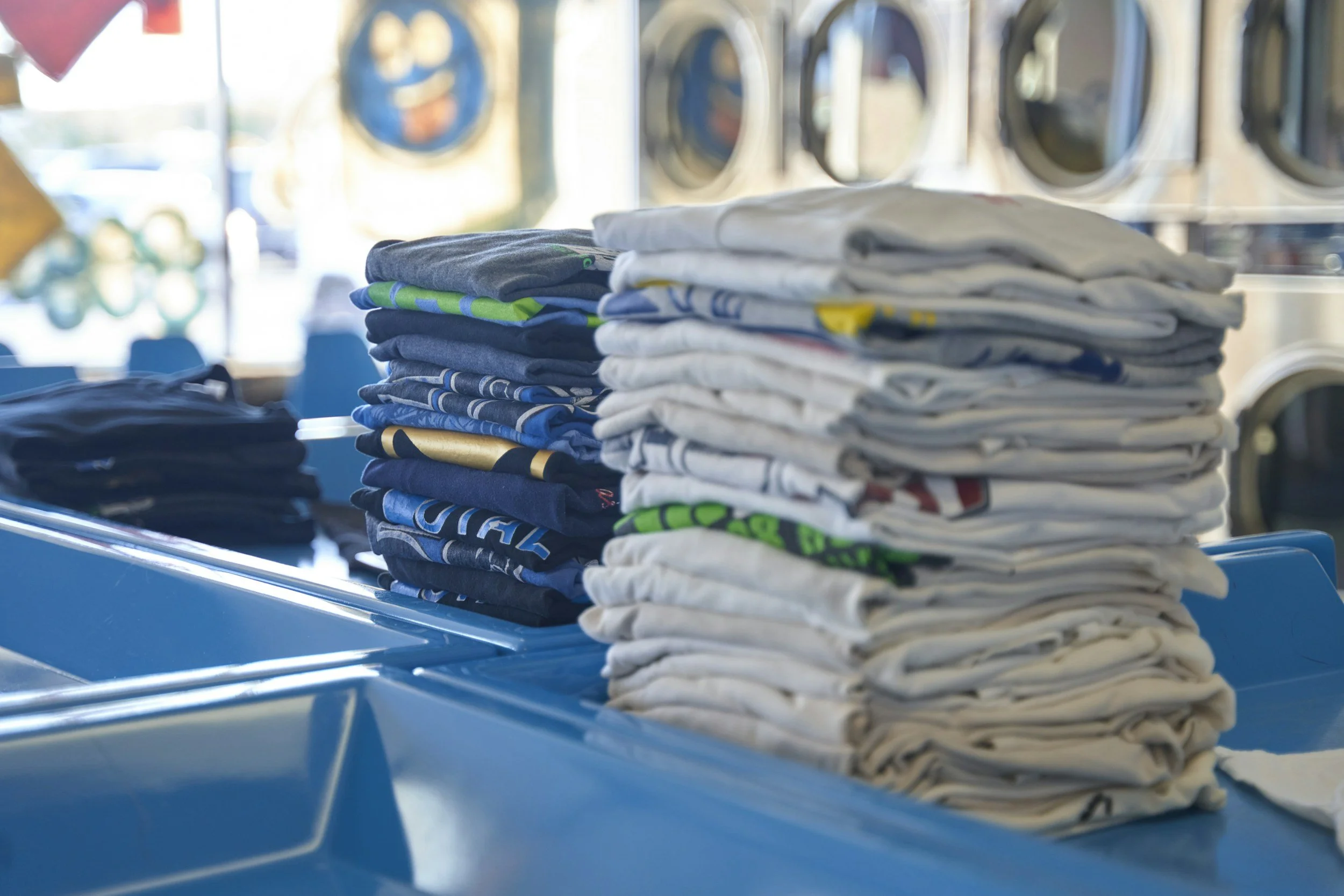
Can Semen Be Detected After Washing?
Many people wonder whether washing clothing or bedding removes all biological evidence. In some cases, semen may still be detectable even after washing. Learn how semen detection testing works and what factors affect detectability.
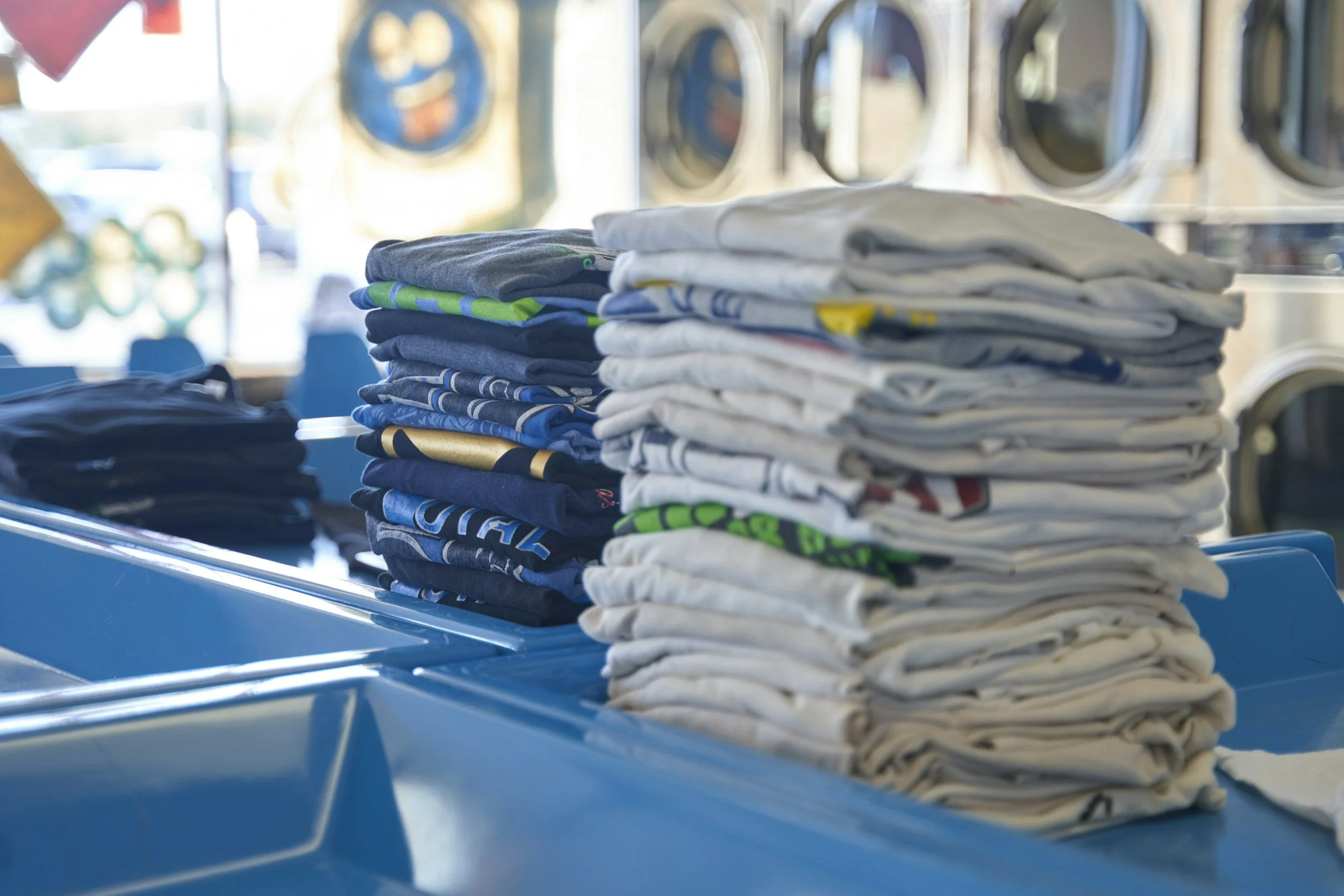
Quick Answer: Can Semen Be Detected After Washing?
In some cases, semen can still be detected after washing clothing or bedding. Washing may reduce or degrade biological material, but traces of seminal fluid can sometimes remain within fabric fibers. Confirmatory semen detection tests can identify proteins associated with seminal fluid even when stains are no longer visible.
How Washing Affects Biological Evidence
When clothing or bedding is washed, detergents and water can remove or dilute biological material. However, washing does not always eliminate all traces of biological evidence.
Several factors influence whether semen may still be detectable after washing, including:
The type of fabric
The washing method used
Water temperature
The amount of biological material originally present
The time between deposition and washing
Because of these variables, biological material may sometimes remain detectable even after an item has been cleaned.
Why Fabric Type Matters
Different fabrics retain biological material differently.
For example:
Cotton and absorbent fabrics may retain biological material within their fibers
Synthetic fabrics may hold less biological material
Textured fabrics may trap biological evidence in small crevices
Because of these differences, laboratories sometimes detect biological material even after a fabric has been washed.

Visible Stains vs Biological Evidence
It is important to understand that visible stains and biological evidence are not always the same thing.
Even when a stain is no longer visible to the eye, microscopic traces of biological material may still remain on the fabric.
Laboratory testing is designed to detect biological markers that are not visible without specialized analysis.
Confirmatory Semen Detection Testing
When biological evidence is suspected, laboratories may perform confirmatory semen detection testing.
The semen detection test offered by Validity Genetics is a confirmatory RSID semen detection test that identifies the human-specific protein semenogelin.
Semenogelin is a protein found in seminal fluid, and detecting this protein provides strong scientific confirmation that seminal fluid, and thus semen, may be present on the tested item.
This type of confirmatory testing provides greater specificity than preliminary screening methods.
Learn more about how semen detection tests work here, How Semen Detection Tests Work.
Presumptive vs Confirmatory Tests
Some laboratories use presumptive screening tests as an initial step when examining evidence.
Examples include:
PSA (Prostate-Specific Antigen) tests
Acid Phosphatase (AP) tests
These tests can indicate that semen may be present, but they are considered screening tools rather than definitive confirmation.
Confirmatory tests such as RSID semen detection testing specifically identify proteins associated with human semen, providing stronger scientific evidence.
Items Commonly Tested
Semen detection testing is commonly performed on items such as:
Underwear
Bedsheets
Towels
Clothing
Blankets
Fabric materials
These items may retain biological material depending on how they were handled and stored.
To learn more about items that may be tested for biological evidence, see What Items Can be Used for DNA Testing?.
Semen Detection and DNA Testing
When semen is detected on an item, laboratories may sometimes attempt to extract DNA from the biological material present.
If a DNA profile can be generated, it may be compared to reference samples to determine whether a specific individual may be a contributor to the DNA found.
You can learn more about how DNA evidence is interpreted here, Can DNA Prove Cheating?.
Factors That Influence Detectability
Several conditions influence whether semen may still be detectable after washing:
The type of detergent used
The washing temperature
The number of wash cycles
Environmental exposure after washing
The age of the sample
Because these factors vary widely, the ability to detect biological evidence can differ from case to case.
Frequently Asked Questions
Can semen still be detected after clothing is washed?
In some cases, yes. Washing may reduce biological evidence, but traces of seminal fluid can sometimes remain embedded in fabric fibers.
Does hot water remove all biological evidence?
Hot water can degrade biological material, but it does not always eliminate all detectable traces.
Can semen be detected if the stain is no longer visible?
Yes. Laboratory testing can detect biological markers that may remain even when stains are no longer visible.
Does washing clothing prevent DNA testing?
Not necessarily. In some situations, DNA may still be recovered from biological material that remains on the fabric.
Using DNA Evidence to Find Answers
Biological evidence can sometimes remain on fabrics even after washing or cleaning. By analyzing these materials, laboratories may detect proteins associated with seminal fluid and identify biological evidence that may not be visible to the eye.
Understanding how washing affects biological material helps individuals better interpret the results of semen detection testing and make informed decisions about submitting items for analysis.
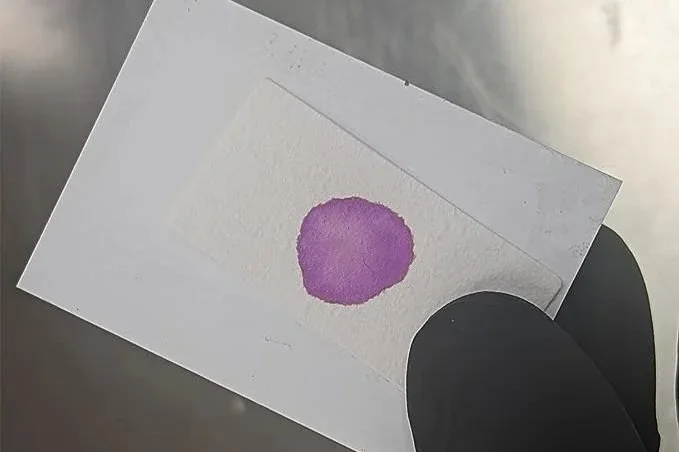
How Semen Detection Tests Work
How do semen detection tests actually work? Learn the difference between presumptive screening tests and confirmatory RSID semen detection tests that specifically identify the human protein semenogelin.
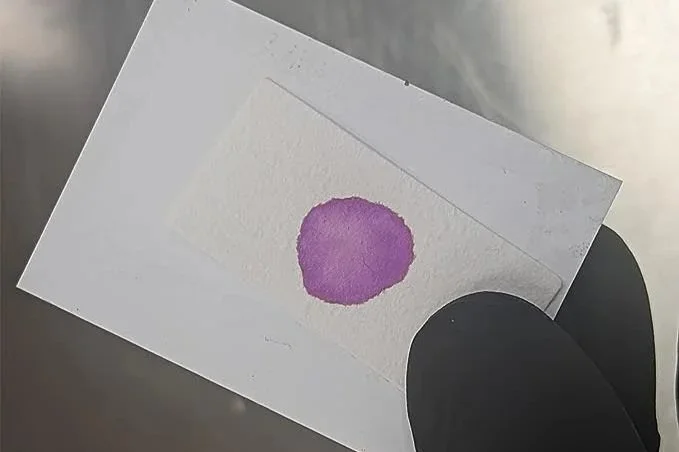
Quick Answer: How Do Semen Detection Tests Work?
Semen detection tests analyze evidence for biological markers associated with seminal fluid. Some tests act as preliminary screening methods, while confirmatory tests specifically identify human proteins found in semen. Confirmatory tests such as RSID semen detection tests identify the human protein semenogelin, which is highly specific to seminal fluid.
What Is a Semen Detection Test?
A semen detection test is used to determine whether seminal fluid may be present on a submitted item. These tests are commonly used when biological evidence is suspected on materials such as clothing, bedding, towels, or other fabrics.
Semen detection testing can help determine whether biological material associated with intimate contact may be present on an item.
These tests are often performed alongside DNA analysis when investigating biological evidence.
The Difference Between Presumptive and Confirmatory Tests
Semen detection tests generally fall into two categories:
Presumptive tests and confirmatory tests.
Understanding the difference between these types of tests is important because they provide different levels of scientific certainty.
Presumptive Semen Tests
Presumptive tests are designed as screening tools that suggest the possible presence of semen. These tests are often used as an initial step to identify areas of interest on an item.
Common presumptive tests include:
PSA (Prostate-Specific Antigen) tests
Acid Phosphatase (AP) tests
While these tests can indicate that semen may be present, they are not always specific to seminal fluid alone. Certain substances or biological materials may produce similar reactions.
For this reason, presumptive tests are typically used as preliminary screening methods rather than definitive confirmation.
Confirmatory Semen Tests
Confirmatory tests are designed to specifically identify biological markers that are unique to seminal fluid.
The semen detection test offered by Validity Genetics is a confirmatory RSID semen detection test.
This test identifies the human-specific protein semenogelin, which is found in seminal fluid.
Because semenogelin is highly specific to human semen, detecting this protein provides strong scientific confirmation that seminal fluid is present on the tested item.
This type of testing provides a higher level of specificity than many presumptive screening methods.
Why Confirmatory Testing Matters
Confirmatory testing provides greater confidence in the results because it targets a biological marker that is strongly associated with human semen.
Using confirmatory testing helps reduce the possibility of false indications that may occur with screening tests alone.
When biological evidence is suspected on clothing or bedding, confirmatory semen detection testing can provide important information about whether seminal fluid may be present.
Items Commonly Submitted for Semen Detection Testing
Semen detection tests are frequently performed on items that may contain biological evidence, including:
Underwear
Bedsheets
Towels
Clothing
Blankets
Tissues
These materials may retain biological evidence depending on how the item was handled and the environmental conditions it was exposed to.
For more information about items that may be tested, see What Items can be Used for DNA Testing.
Semen Detection and DNA Testing
In some cases, semen detection testing may be performed alongside DNA testing.
If semen is detected on an item, additional DNA analysis may be performed to determine whether a DNA profile can be obtained from the biological material present.
DNA profiles obtained from evidence may sometimes be compared to reference samples in order to determine whether a particular individual may be a contributor.
You can learn more about how DNA evidence is analyzed here, Can DNA Prove Cheating?.
How Long Semen May Remain Detectable
The detectability of semen on fabrics depends on several factors, including:
Washing
Environmental exposure
Fabric type
Time since deposition
Even when biological evidence is no longer visible, laboratory testing may sometimes still detect traces of seminal fluid.
More information about how long DNA and biological evidence may remain on fabrics can be found here, How Long Does DNA Stay on Clothing?.
Frequently Asked Questions
What is the difference between presumptive and confirmatory semen tests?
Presumptive tests are screening tools that indicate semen may be present. Confirmatory tests specifically identify biological markers unique to seminal fluid.
What does the RSID semen detection test identify?
The RSID semen test identifies the human-specific protein semenogelin, which is found in seminal fluid.
Can semen still be detected after washing clothing?
In some cases, biological evidence may still be detectable after washing depending on the fabric and environmental conditions.
Can semen detection testing be performed on older items?
Testing may still be possible, but biological evidence can degrade over time due to environmental factors.
Using DNA Evidence to Find Answers
Biological evidence testing can provide valuable information when investigating stains or biological material found on personal items. Confirmatory semen detection testing allows laboratories to identify markers that are highly specific to seminal fluid, providing greater confidence when determining whether semen may be present on a tested item.
Understanding how semen detection tests work helps individuals interpret results and better understand the role of biological evidence in DNA testing.
Home Paternity DNA Test includes:
Easy to follow instructions
2 sterile buccal collection swabs per person
Sample envelopes for each person involved
Consent form
Prepaid return label to our laboratory. (USA Only)
Select from test options below: