
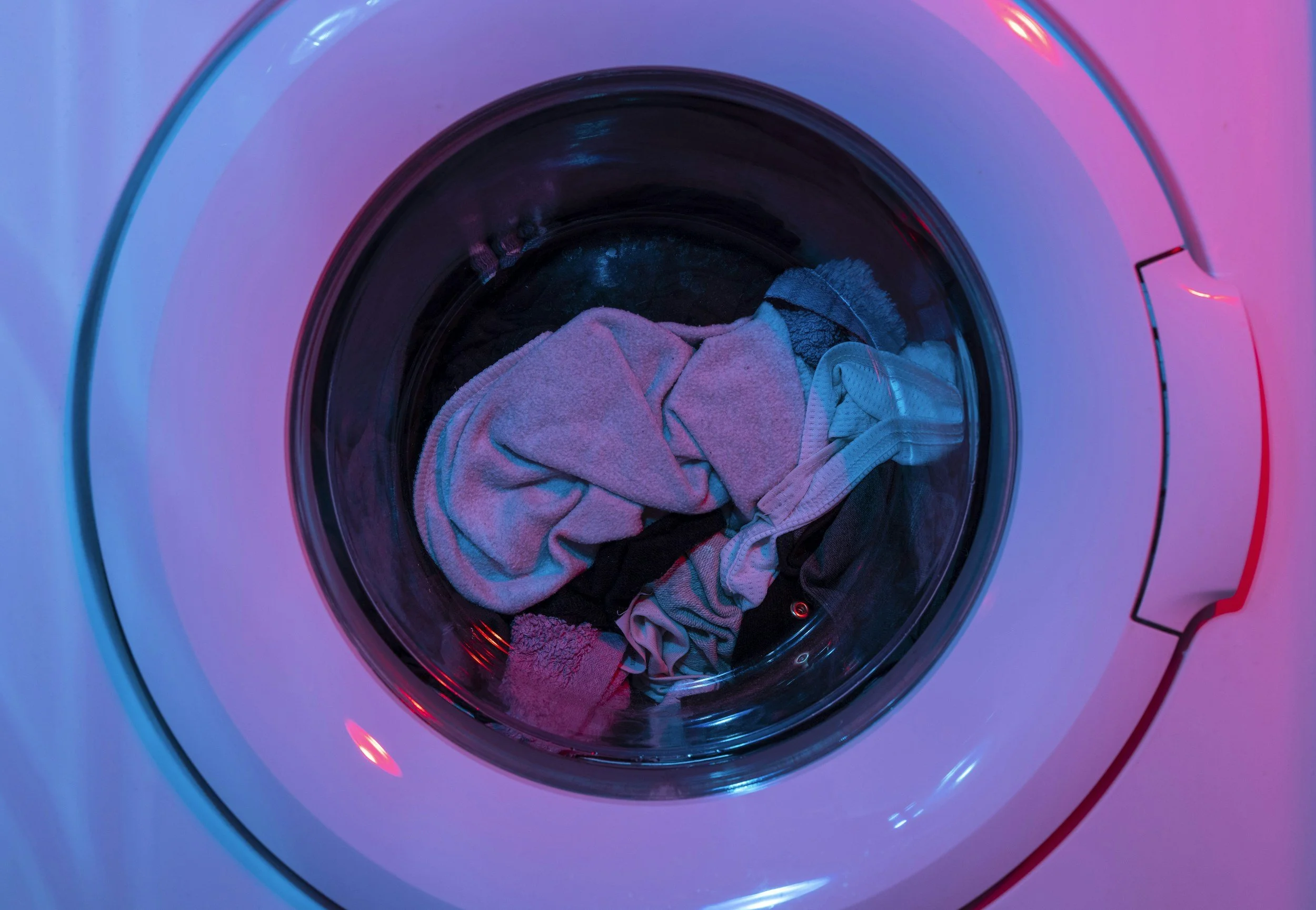
Does Semen Stay on Fabric After Washing?
It's important to have realistic expectations regarding semen detection on washed fabric. While advanced techniques exist, washing significantly reduces the odds of successful DNA retrieval. If testing is critical, preserve the evidence as soon as possible to ensure the highest probability of obtaining conclusive results.
By understanding these factors, you can make informed decisions about DNA testing in sensitive situations.

Washing Forensic Samples
Can washed clothing or fabrics be used in forensic DNA testing?
When suspecting infidelity, DNA testing, particularly semen detection, can provide crucial evidence. But a common question arises: Can semen be detected on fabric after washing? Let’s explore the factors affecting DNA detection after laundering and what it means for forensic and infidelity DNA testing.
Quick Answer
Yes, semen can sometimes remain detectable on fabric after washing, but the likelihood depends on factors such as the type of fabric, washing temperature, detergent used, and the number of wash cycles.
Modern forensic testing methods may still detect semen-specific proteins or recover DNA in some cases, although washing generally reduces the chances of successful detection.
How Washing Affects DNA on Fabric
Washing fabric—especially with detergents, bleach, or high temperatures—can degrade DNA, including semen. However, complete removal isn't always guaranteed:
Cold or Mild Washing: May not completely remove DNA; semen traces may still be detected.
Hot Water and Strong Detergents: Significantly reduce the likelihood of DNA detection but may not eliminate all traces entirely.
Bleach and Harsh Chemicals: Often degrade DNA to the point where detection is challenging but not always impossible.
Factors Influencing DNA Detection After Washing
Several factors determine whether semen remains detectable:
Temperature: Hot water tends to degrade DNA faster than cold water.
Detergent Type: Strong, enzyme-based detergents are more effective at breaking down biological material.
Washing Duration: Longer washing cycles increase the likelihood of DNA degradation.
Type of Fabric: DNA can embed differently in fabrics; natural fibers like cotton may retain traces longer than synthetic fabrics.
Drying and Heat Exposure: High heat from dryers or ironing further degrades remaining DNA.


Can Forensic DNA Testing Detect Semen After Washing?
While washing decreases the chances of finding DNA, advanced forensic techniques can sometimes still detect semen:
Semenogelin Testing: Highly sensitive tests detect semen-specific proteins even after laundering.
Advanced DNA Extraction: Modern techniques may recover degraded DNA, providing partial or full profiles.
Specialized Lab Techniques: Labs employ methods like differential extraction to isolate and identify semen DNA.
However, the likelihood of obtaining usable DNA significantly decreases after washing, especially repeated washing or prolonged exposure to heat.
Does Washing Always Remove Semen?
Not necessarily.
Many people assume that a single wash cycle completely removes all biological evidence from clothing or bedding. While washing can significantly reduce the amount of biological material present, traces of semen may sometimes remain depending on the circumstances.
Factors that may influence whether semen remains detectable include:
• The amount of biological material originally deposited
• The type of fabric
• The detergent used
• Water temperature
• Whether the item was washed multiple times
Because every situation is different, laboratory testing is often the only way to determine whether detectable semen or DNA remains.
Best Practices for Preserving Semen DNA Evidence
If you suspect infidelity and intend to conduct DNA testing, follow these tips to preserve evidence:
Avoid Washing: Collect and store the item before laundering.
Minimize Handling: Wear gloves to prevent contamination.
Air-Dry the Item: Allow damp items to dry naturally before storage.
Store Properly: Keep items in paper bags or envelopes, away from sunlight and moisture.
Submit Quickly: The sooner the fabric is tested, the better the chance of detecting viable DNA.
Understanding the Limitations
It's important to have realistic expectations regarding semen detection on washed fabric. While advanced techniques exist, washing significantly reduces the odds of successful DNA retrieval. If testing is critical, preserve the evidence as soon as possible to ensure the highest probability of obtaining conclusive results.
By understanding these factors, you can make informed decisions about DNA testing in sensitive situations.
Frequently Asked Questions
Can semen survive a washing machine cycle?
Sometimes. Washing can reduce biological material, but traces may remain depending on the fabric, detergent, and wash conditions.
Can semen be detected after multiple washes?
The likelihood decreases with each wash cycle, but detection may still be possible in some circumstances.
Does hot water destroy DNA?
Hot water can accelerate DNA degradation, but it does not always eliminate all biological material.
Can a semen detection test work on washed clothing?
In some cases, yes. Detection depends on the amount of semen present and how the item was washed and stored.
What is more likely to survive washing, semen or DNA?
Semen-specific proteins may sometimes remain detectable even when a complete DNA profile cannot be recovered.
Related Products
This is not a physical product. This is a service.
We do NOT ship anything to you for this test.
You must ship your items/samples to our laboratory.
This is not a physical product. This is a service.
We do NOT ship anything to you for this test.
You must ship your items/samples to our laboratory.
Related Articles
How Long Can DNA Stay on Clothing
https://validitygenetics.com/news/how-long-can-dna-stay-on-clothing
How DNA Gets On Clothing
https://validitygenetics.com/news/how-dna-gets-on-clothing
How Long Do DNA Samples Last?
https://validitygenetics.com/news/how-long-do-dna-samples-last
How Accurate are Infidelity DNA Tests?
https://validitygenetics.com/news/how-accurate-are-infidelity-dna-tests
Cited References:
National Institute of Justice. DNA Evidence Basics
https://nij.ojp.gov/topics/articles/dna-evidence-basics
American Academy of Forensic Sciences (AAFS)
National Human Genome Research Institute. DNA and Genetic Testing
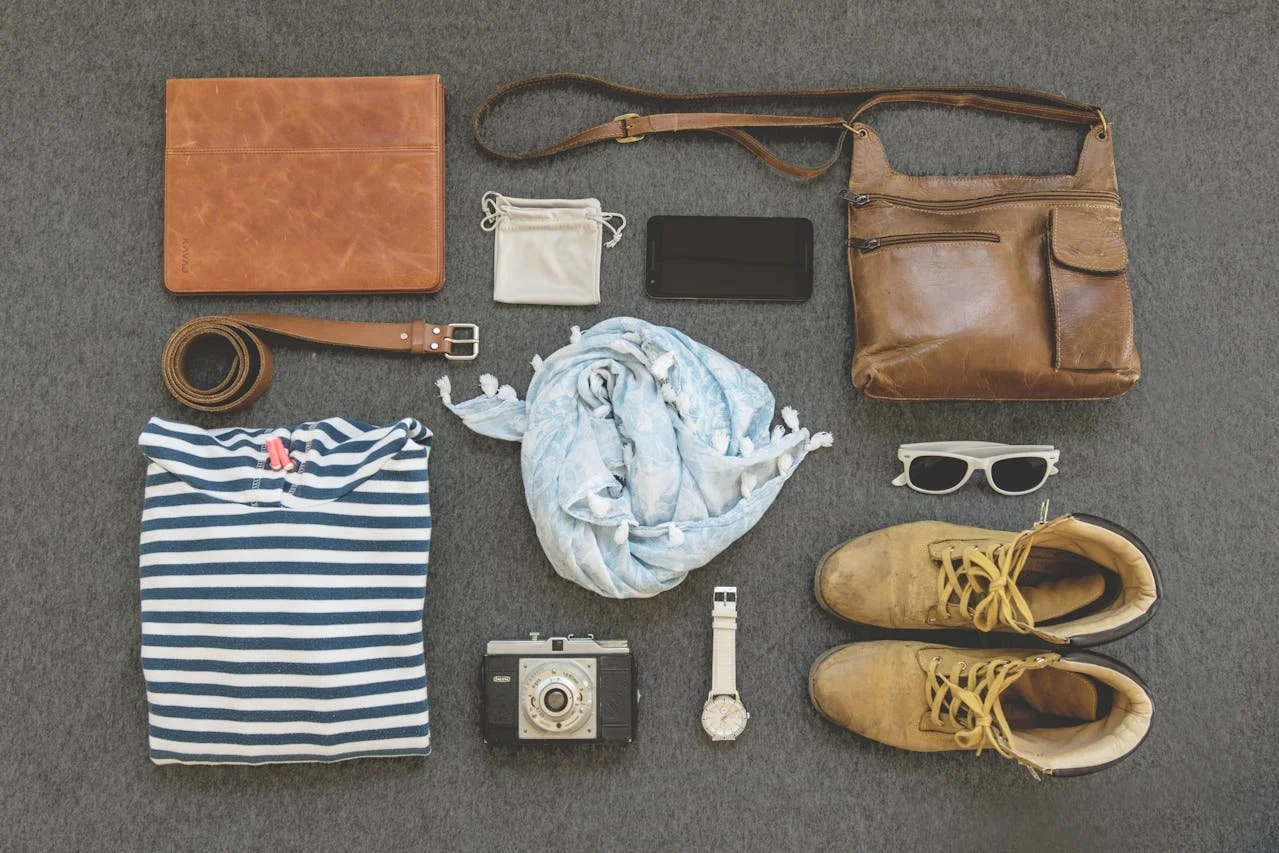
Can You Use Discreet DNA Samples for Relationship Testing?
Can you use hair, toothbrushes, or personal items for a paternity or sibling DNA test? Learn about discreet DNA samples, how they compare to standard cheek swabs, and the best practices for forensic DNA testing. Get accurate and confidential results with Validity Genetics. Find out more today!

Discreet or non-standard samples.
When standard DNA collection isn't possible, many people wonder whether a personal item can be used instead.
The answer is often yes.
Hair, toothbrushes, nail clippings, cigarette butts, tissues, and other personal items may contain enough biological material to develop a DNA profile for relationship testing.
However, non-standard DNA samples come with additional challenges that can affect testing success.
This guide explains what discreet DNA samples are, which items may be suitable for testing, and how to maximize the chances of obtaining usable DNA.
Quick Answer: Can Personal Items Be Used for DNA Testing?
Yes.
Many personal items may contain DNA that can be used for relationship testing.
Examples include:
Hair with roots
Toothbrushes
Cigarette butts
Nail clippings
Used tissues
Ear swabs (Q-tips)
Blood stains
Clothing containing biological material
The success of testing depends on the quality, quantity, and condition of the DNA present in the sample.
In This Article
What discreet DNA samples are
Common items used for DNA testing
Accuracy and limitations
Sample collection tips
Best practices for storage
Frequently asked questions
What Are Discreet DNA Samples?
A discreet DNA sample is any non-standard biological sample used in place of a traditional cheek swab.
These samples are often used when the individual being tested is:
unavailable
unwilling to participate
deceased
unable to provide a sample
Because these items are not collected directly from the individual, they typically require forensic DNA extraction before testing can begin.
Common Discreet DNA Samples
Hair with Root
Hair can be a useful DNA source when the root remains attached.
Generally:
6-8 hairs are recommended
freshly removed hairs provide the best results
cut hair is usually not suitable
The DNA needed for most relationship tests is located in the hair root.
Toothbrushes
Toothbrushes are among the most commonly submitted forensic DNA samples.
Because they collect saliva and oral cells through repeated use, they often provide a good opportunity for DNA recovery.
Cigarette Butts
Used cigarette filters frequently contain saliva and may provide a suitable DNA source.
Nail Clippings
Nail clippings can sometimes be used for DNA testing but generally have lower success rates than toothbrushes or saliva-based samples.
Providing multiple clippings may improve the chances of success.
Ear Swabs (Q-Tips)
Used ear swabs may contain skin cells and biological material that can sometimes be analyzed.
Used Tissues
Tissues containing saliva, mucus, or blood may provide DNA suitable for testing.
Blood Stains
Dried blood stains often provide one of the strongest forensic DNA sources when properly preserved.
Clothing
Clothing may contain biological material such as:
saliva
blood
semen
skin cells
The likelihood of successful DNA recovery depends on the amount of biological material present and how the item has been stored.

Forensic samples for relationship DNA testing
Please note Forensic Samples do not include: Teeth, Bones, Bone Marrow, Organs or Muscle Tissue, Feces, Paraffin Embedded Tissue, or FFPE, and children’s disposable diapers. While it may be possible to test these items they will have a higher cost to test and may have special requirements for shipping to our lab. Please reach out to us if you wish to test any of the samples on this list.
Can Discreet Samples Be Used for Relationship Testing?
Yes. Discreet DNA samples may be used for:
DNA Profile Testing
When enough uncontaminated DNA is recovered, the resulting relationship analysis can be as accurate as testing performed using standard cheek swabs.
What Are the Risks of Using Discreet Samples?
Unlike cheek swabs, forensic DNA samples do not guarantee successful DNA recovery.
Potential challenges include:
degraded DNA
contamination
insufficient biological material
multiple DNA contributors
Because of these factors, some samples may not produce a usable DNA profile.
Learn more:
What Happens if No DNA is Found?
Are Discreet DNA Tests as Accurate as Cheek Swab Tests?
If a sufficient quantity of uncontaminated DNA is recovered, the relationship analysis itself can be just as accurate as testing performed using buccal swabs.
The primary difference is not the DNA analysis.
The difference is the increased risk that the sample may not contain enough usable DNA to begin testing.
Best Practices for Collecting Discreet DNA Samples
To improve the chances of success:
Choose Samples With Direct Contact
Items that were used directly by the individual generally provide the best chance of DNA recovery.
Allow Damp Items to Dry
If a sample is damp, allow it to air dry before packaging.
Use Paper Packaging
Paper envelopes help prevent moisture buildup and reduce the risk of degradation.
Minimize Handling
Avoid touching the area likely to contain biological material.
Submit Multiple Items
Providing more than one sample may improve the chances of successful DNA recovery.
When Should You Consider Discreet DNA Testing?
Discreet DNA testing may be appropriate when:
the individual is unavailable
the individual is unwilling to participate
the individual is deceased
a standard cheek swab cannot be obtained
It may also be useful when a person wants private, non-legal relationship testing.
Important Legal Considerations
Discreet DNA testing is generally intended for informational or peace-of-mind purposes.
If court-admissible results are required, a legal DNA test with a documented chain of custody is typically necessary.
Frequently Asked Questions
Can a Toothbrush Be Used for DNA Testing?
Yes. Toothbrushes are among the most commonly submitted forensic DNA samples.
Can Hair Be Used for DNA Testing?
Yes, but the hair must generally contain an intact root.
Can You Use a Cigarette Butt for DNA Testing?
In many cases, yes.
The filter may contain saliva suitable for DNA extraction.
What Is the Best Discreet DNA Sample?
A consistently used toothbrush is often one of the strongest non-standard sample types.
What Happens If No DNA Is Found?
If insufficient DNA is recovered, the laboratory may be unable to create a usable DNA profile.
Choosing the Right Sample for DNA Testing
While cheek swabs remain the preferred collection method, discreet DNA samples can provide valuable alternatives when direct testing is not possible. Understanding which samples are most likely to contain usable DNA and how to properly collect and preserve them can significantly improve the chances of successful testing.
Whether you're pursuing paternity testing, sibling testing, grandparent testing, or another relationship DNA test, selecting the best available sample is one of the most important steps in the process.
Related Services

Related Articles
DNA Samples for Testing
https://validitygenetics.com/news/dna-samples
How Long do DNA Samples Last?
https://validitygenetics.com/news/how-long-do-dna-samples-last
DNA Testing Without the Father
https://validitygenetics.com/news/dna-testing-without-the-father
What Happens if no DNA is Found
https://validitygenetics.com/news/what-happens-if-no-dna-is-found
Home Paternity DNA Test includes:
Easy to follow instructions
2 sterile buccal collection swabs per person
Sample envelopes for each person involved
Consent form
Prepaid return label to our laboratory. (USA Only)
Select from test options below: